Introduction
Video is the most powerful medium for storytelling today. From TikTok clips to cinematic trailers, moving visuals capture attention like nothing else. But until recently, creating high-quality video required cameras, crews, and weeks of editing. Artificial intelligence has changed that, making it possible to generate video from nothing more than a text description or a still image.
One of the leaders in this space is Wan AI, an advanced video generation model now available on VideoWeb.ai. The newest release, Wan AI 2.5, represents a major leap forward—especially in image-to-video (I2V). Imagine uploading a single portrait or product photo and instantly transforming it into a cinematic clip with realistic motion and lifelike detail. That’s what Wan 2.5 delivers.
To understand why Wan 2.5 matters, let’s take a step back and look at how Wan AI evolved through its earlier versions, Wan 2.1 and Wan 2.2, before arriving at this new milestone.
Wan AI’s Evolution So Far
Wan AI 2.1: Laying the Cinematic Foundation
The release of Wan AI 2.1 marked the first time creators could access cinematic-quality AI video generation. It introduced expressive character modeling, high-definition output, and even built-in cinematic shot types such as dolly pans, over-the-shoulder perspectives, and reverse shots.
For image-to-video, Wan 2.1 was groundbreaking. A still photo could suddenly become a short, animated sequence. Faces turned, camera angles shifted, and static frames came alive with motion. While clip durations were short and some results flickered, Wan 2.1 laid the foundation by showing what was possible when AI met cinema.
Wan AI 2.2: Refining Realism and Consistency
The next step, Wan AI 2.2, focused on polish and refinement. Where Wan 2.1 wowed users with cinematic style, Wan 2.2 smoothed out the rough edges. Frame-to-frame transitions became seamless, character movements more natural, and emotional nuance more visible.
For image-to-video, Wan 2.2 meant better preservation of input images. If you uploaded a product shot, the generated video kept the details intact while adding motion. If you used a portrait, facial expressions felt smoother and more believable. Motion was less robotic and more fluid, making I2V practical for marketing, social media, and creative projects.
What Makes Wan AI 2.5 Stand Out
Now comes the newest release: Wan AI 2.5. It’s not just an incremental improvement—it’s a redefinition of what wan 2.5 image to video can achieve.
Here’s what sets it apart:
-
high Resolution and Longer Clips
Wan 2.5 supports up-to-1080-p generation, complete with synchronized audio. Clips can also run longer, opening the door to full sequences rather than short loops. -
Advanced Camera and Motion Control
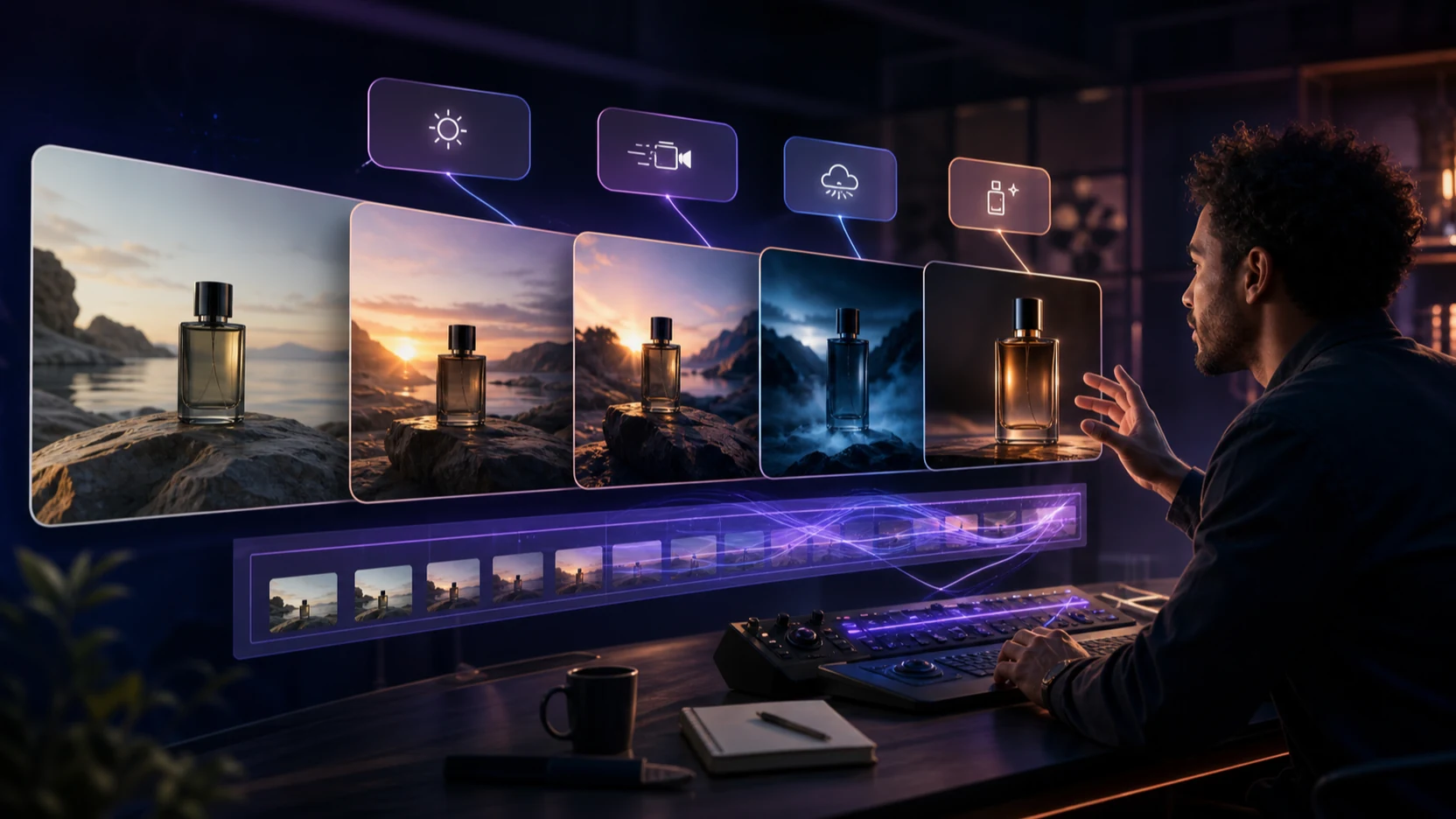
Motion isn’t just smoother—it’s cinematic. With Wan 2.5, you can generate pans, zooms, tilts, and complex multi-scene transitions. A still photo can feel like it was shot on a movie set. -
Photorealistic Fidelity
The jump in realism is striking. Faces display micro-expressions like eye movements or half-smiles. Clothing and textures shift naturally as characters move. The uncanny “AI look” is fading fast. -
Multi-Modal Inputs
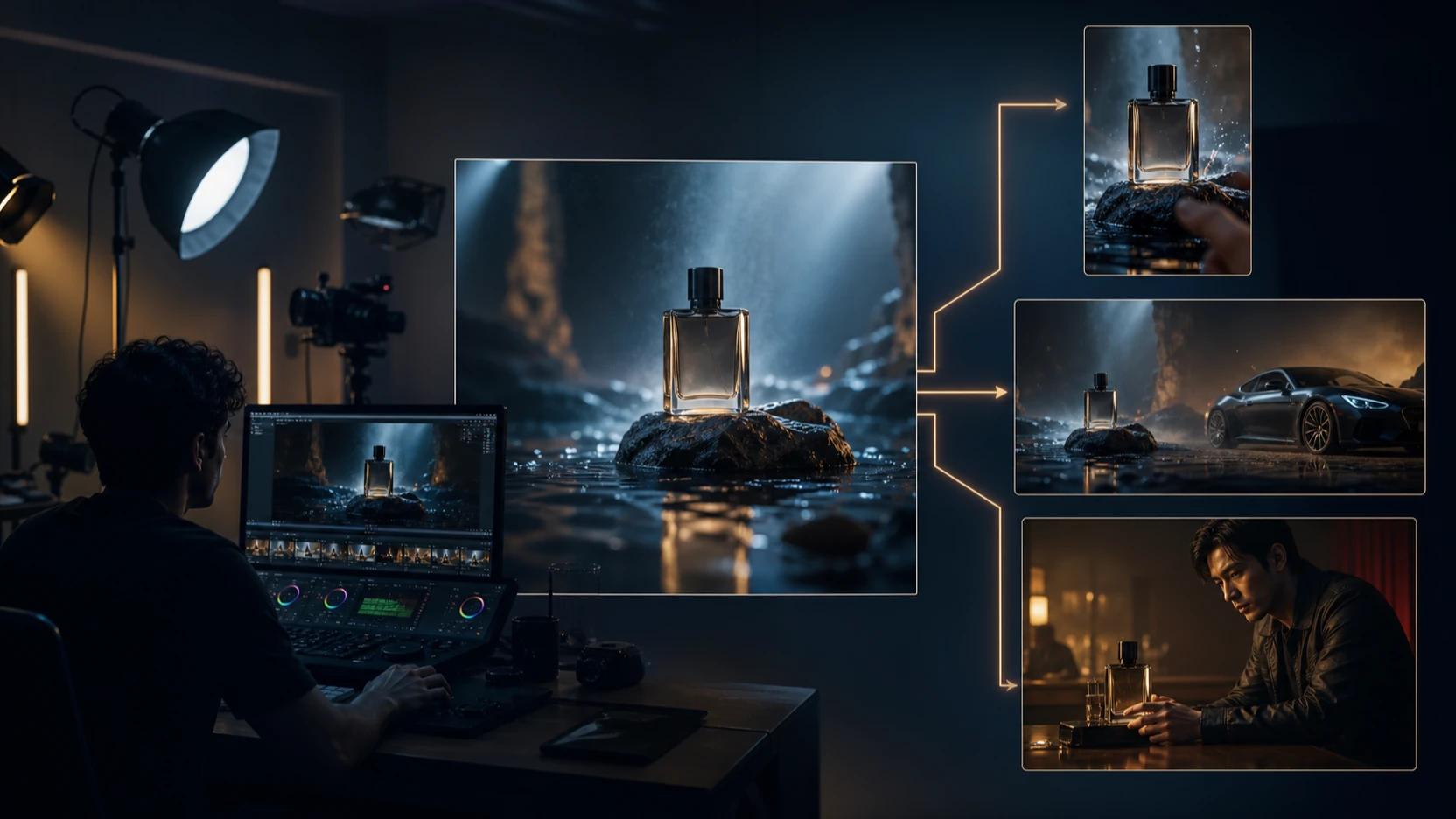
Wan 2.5 accepts text prompts, still images, and even video-to-video editing. You can upload an existing clip and refine it, or merge text and images into one coherent output. -
Optimized Efficiency
Despite its power, Wan 2.5 is faster and more accessible. Optimizations mean wider GPU compatibility, making advanced video generation possible for more creators—not just those with high-end hardware.
Wan 2.5 Image-to-Video in Practice
So how does wan 2.5 image to video look in action?
On VideoWeb.ai, you can upload an image—a portrait, a product photo, or even a digital sketch—and watch it transform into a cinematic clip. A selfie becomes a moving reel with natural eye blinks and camera pans. A pair of shoes in a product shot turns into a sleek advertising sequence. Concept art morphs into an animated storyboard.
Comparing the versions:
- Wan 2.1 could bring stills to life, but clips were short and often required editing.
- Wan 2.2 made results smoother and more detailed, though still capped at HD.
- Wan 2.5 now delivers synchronized audio, extended duration, and lifelike fidelity, making I2V a tool fit for professional campaigns.
Comparative Highlights Table
| Feature | Wan AI 2.1 | Wan AI 2.2 | Wan AI 2.5 |
|---|---|---|---|
| Resolution | 1080p | 1080p refined | 1080p refined |
| Motion Control | Pre-set shot library | Smoother, more fluid | Advanced dynamic & cinematic |
| Character Realism | Expressive faces | Emotional nuance | Near-photorealistic accuracy |
| Input Types | Text & image | Text & image | Text, image, video-to-video |
| Accessibility | High-end GPU required | Streamlined workflows | Wider hardware, faster rendering |
Real-World Use Cases of Wan 2.5 Image-to-Video
The impact of Wan 2.5 is easy to see across industries:
-
Marketing & Advertising
Create polished ad campaigns by animating product shots. What once required a studio can now be done on Wan 2.5. -
Social Media Content
Turn portraits and selfies into Instagram reels or TikTok videos with natural motion. Wan 2.5 improves on Wan 2.2 by offering longer clips and sharper fidelity. -
Education & Training
Diagrams, historical photos, or illustrations can become engaging animated explainers. Earlier versions like Wan 2.1 proved the concept, but Wan 2.5 makes it practical at scale. -
Filmmaking & Storyboarding
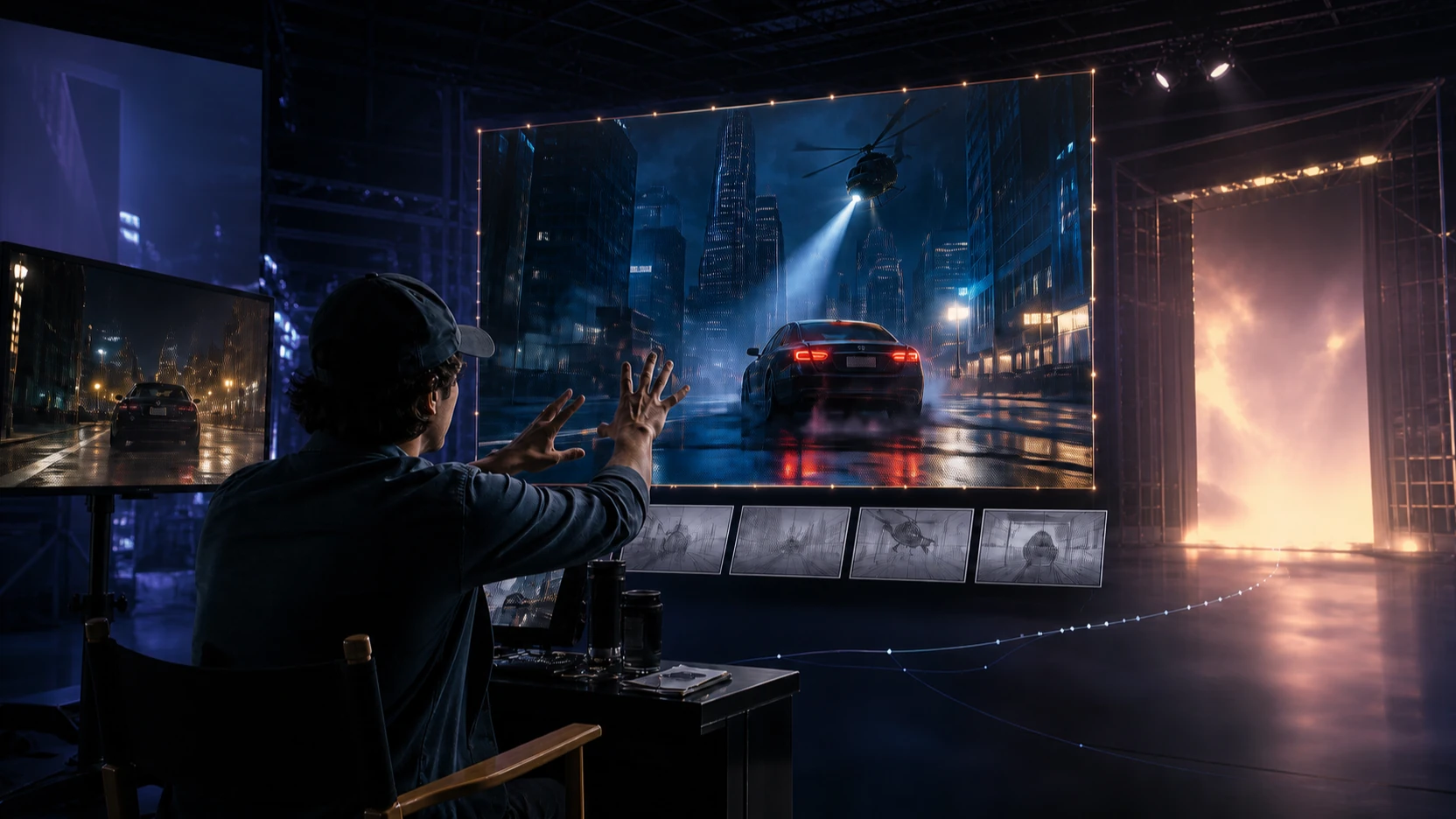
Directors can pre-visualize entire scenes from static concept art. Smooth pans and photorealistic characters make planning more dynamic. -
Gaming & VR
Concept designs and environment sketches can be brought into motion for immersive previews.
Challenges and Considerations
As powerful as it is, Wan 2.5 comes with challenges:
-
Hardware Demand
Training the model will still require strong GPUs, though the model is more optimized than its predecessors. -
Cost of Access
Advanced outputs may be locked behind premium tiers on platforms like VideoWeb.ai. -
Ethical Risks
As videos become indistinguishable from real footage, concerns around deepfakes and misinformation grow. -
Learning Curve
More tools and control options mean beginners may need time to adapt, even if the platform is user-friendly.
Conclusion: Why Wan 2.5 Matters
The story of Wan AI is one of constant innovation:
- Wan 2.1 (VideoWeb.ai/Wan-2-1) introduced cinematic AI and the first taste of image-to-video.
- Wan 2.2 (VideoWeb.ai/Wan-2-2) refined the experience with smoother motion and more realism.
- Wan 2.5 (VideoWeb.ai/Wan-2-5) now ushers in the next era of image-to-video with synchronized audio, longer clips, and photorealistic accuracy.
For creators, marketers, educators, and storytellers, Wan 2.5 isn’t just another model update. It’s a tool that turns imagination into cinematic motion—bridging the gap between stillness and story.
If you’ve ever wanted to breathe life into your images, the future has arrived. And it’s called Wan AI 2.5.