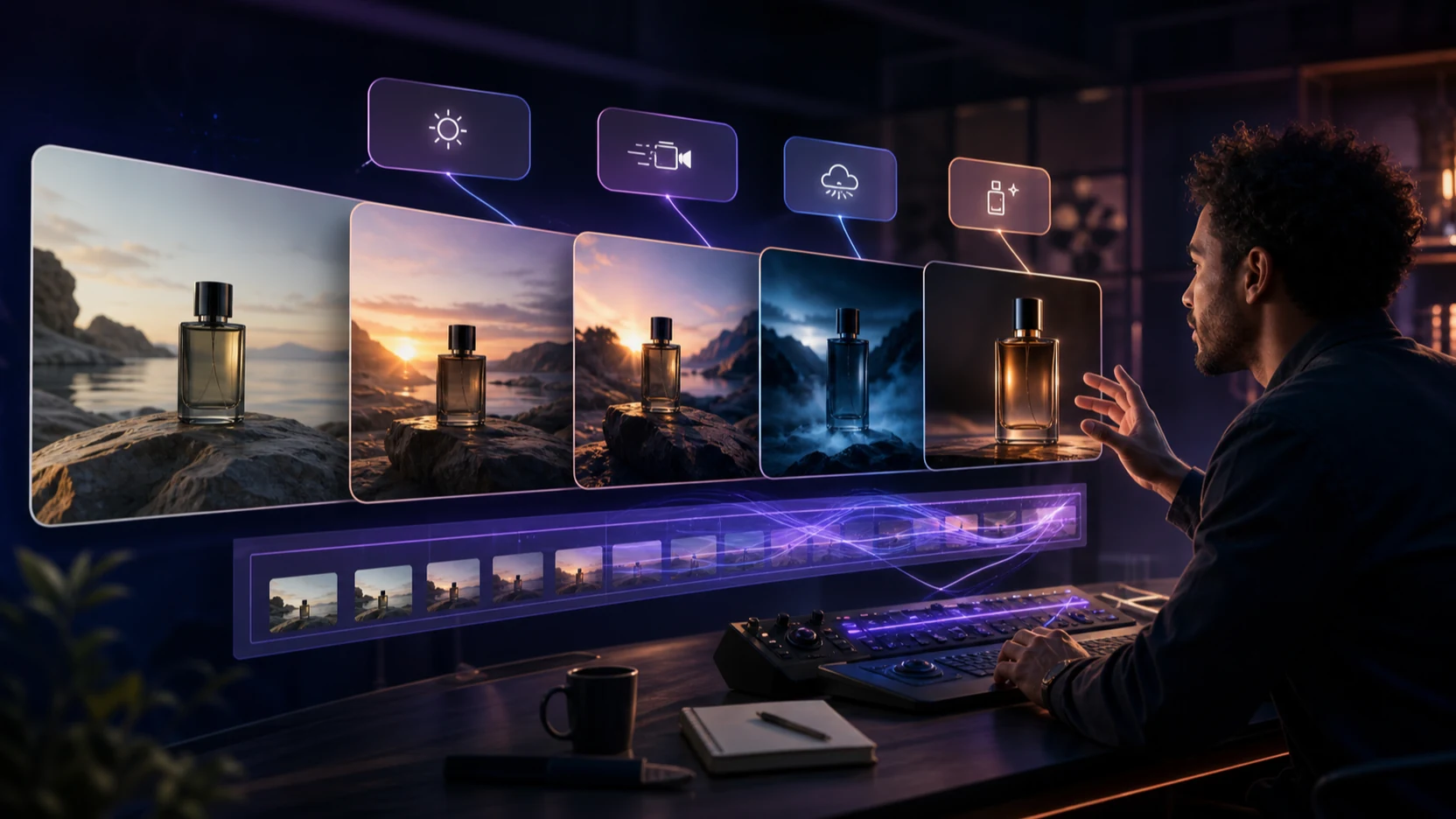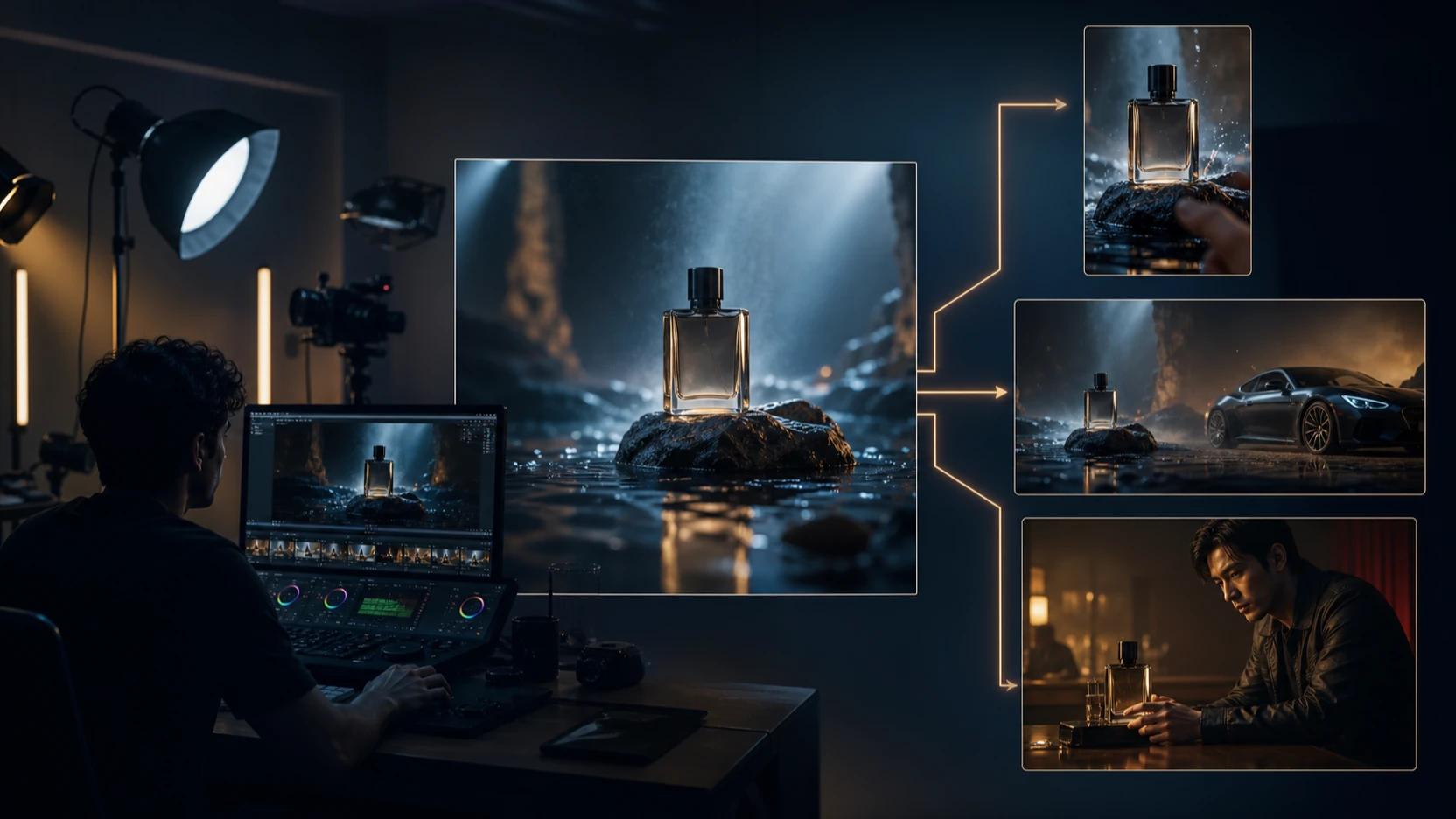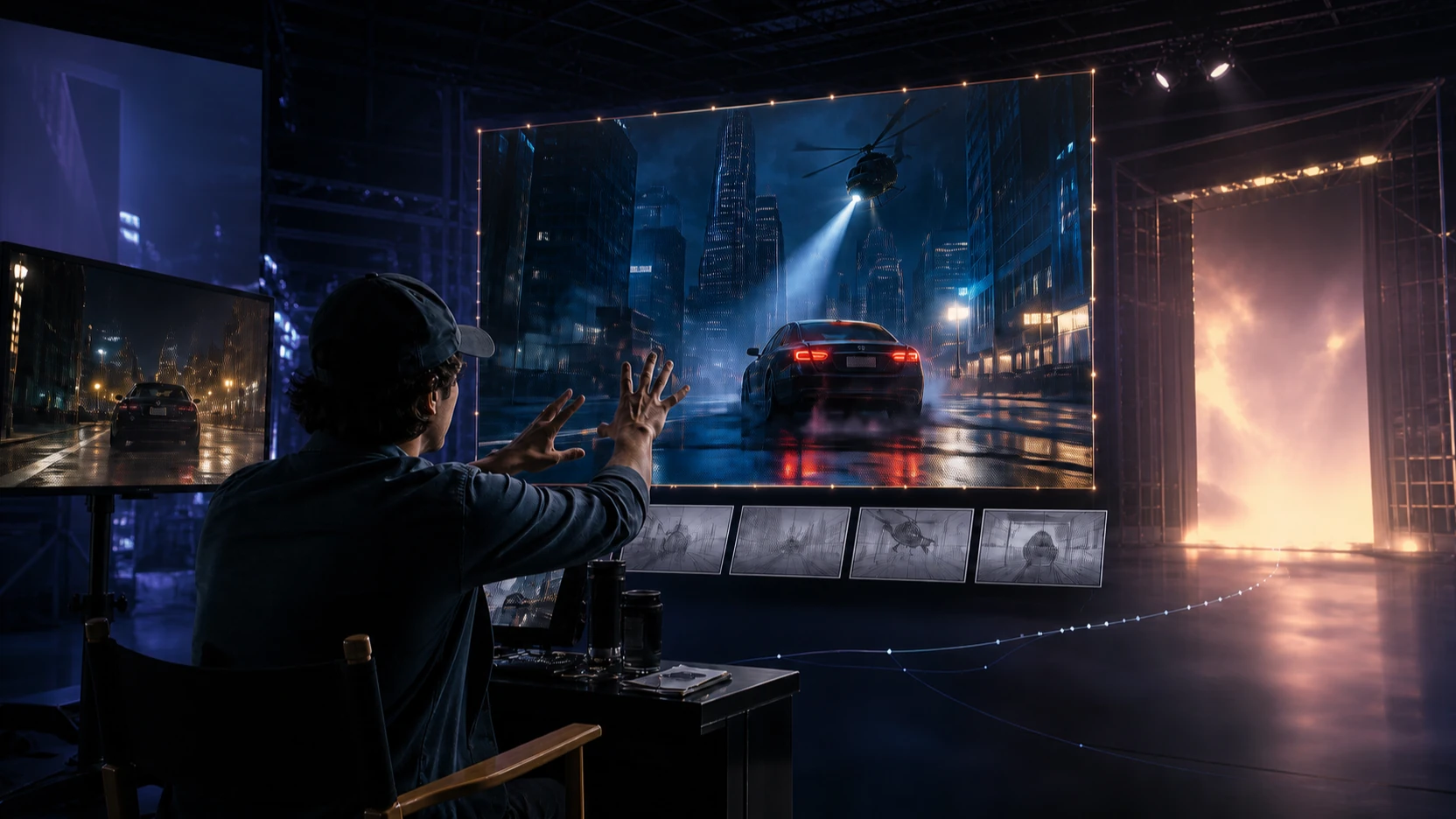
The Kling 4.0 new release is coming soon, bringing fresh expectations for cinematic video creation, visual detail, motion control, and production efficiency. VideoWeb AI is preparing to make Kling 4.0 available, while creators can use the live Seedance 2.5 Video Generator as a practical benchmark for detail, motion, duration, native audio, and production cost before the rollout.

This article previews where Kling 4.0 could improve on Seedance 2.5, how to test the two models fairly when access opens, and how social, advertising, ecommerce, UGC, and short-drama teams can prepare useful workflows now.
Kling 4.0 Is Coming Soon: What Creators Can Expect
Kling 4.0 is positioned as the next major step in the Kling AI video generation lineup. The current Kling AI homepage highlights the technical foundation of Kling 3.0 and Kling 3.0 Omni, while Kuaishou’s official Kling 3.0 announcement confirms multimodal input and output, native audio, up to 15-second generation, reference-led consistency, and multi-shot control across the existing generation.
Kling later added native 4K generation to the 3.0 series. The official 4K announcement says the feature launched on April 23, 2026, for professional film, advertising, animation, and commercial-production workflows. These capabilities establish a strong technical baseline for the coming Kling 4.0 release, whose final feature set will become clearer as rollout details arrive.
VideoWeb AI is preparing Kling 4.0 as a coming-soon option. Access details, generation controls, pricing, duration, resolution choices, API information, and sample outputs can be evaluated as they are introduced. In the meantime, creators can prepare matched prompts and references so the first Kling 4.0 tests produce useful comparisons instead of one-off impressions.
Kling 4.0 vs Seedance 2.5: The Benchmark for Better Results
A newer version is only better when it reduces real production friction. For Kling 4.0 to deliver a visibly stronger result than Seedance 2.5, it should improve one or more of these measurable areas: temporal stability, fine-detail retention, complex motion, instruction following, character identity, camera control, native audio, render speed, or cost per approved clip.

| Decision factor | Kling 4.0 | Seedance 2.5 on VideoWeb AI | What to test after launch |
|---|---|---|---|
| Availability | Coming soon on VideoWeb AI; rollout details to follow | Available now through the supplied VideoWeb AI tool page | Run matched prompts in Kling 4.0 as soon as access opens. |
| Price | Not published | Current visible starting generation: 500 credits | Compare identical settings and total credits spent per approved output. |
| Fine detail | Expected to build on the native-4K and consistency foundation of Kling 3.0; launch specifications to follow | Positioned for cinematic motion, product detail, reference consistency, and directed clips | Inspect faces, hands, fabrics, packaging edges, reflections, small props, and moving text. |
| Motion and narrative control | Coming-soon controls will build from Kling 3.0’s multimodal workflow, native audio, and multi-shot storytelling | Prompt- and image-led workflow with camera direction, audio, flexible ratios, and up to 30-second creation on the current page | Test the same three-beat story, camera path, and final frame. |
| Workflow restrictions | Input and output limits will be announced with the rollout | Text-to-video and image-to-video workflows, multiple delivery ratios, native audio, and longer short-form duration | Compare input limits, reference types, start/end frames, aspect ratios, duration, resolution, queueing, and moderation behavior. |
| Production readiness | Cannot be judged before public output is available | Can be tested today for social, ads, product clips, briefs, and story concepts | Measure failure rate, rerenders, editing time, export reliability, and rights review. |
Why Kling 4.0 could produce a stronger cinematic effect
The reasonable case for Kling 4.0 comes from Kling 3.0’s verified foundation, not from imaginary 4.0 specifications. Kling 3.0 already combines text, image, audio, and video inputs; supports native multilingual audio; offers shot-level storytelling; and adds native 4K output. A major-version successor could plausibly focus on better continuity, more precise motion, stronger prompt adherence, longer coherent sequences, or more efficient rendering.
Those are expectations, not confirmed features. The first useful Kling 4.0 review should run matched prompts and publish the settings, attempt counts, and visual failure cases. Without that evidence, “better effect” is marketing language rather than a production conclusion.
Price: compare cost per approved clip, not only the first quote
Kling 4.0 launch pricing is expected alongside its rollout. Seedance 2.5 currently shows a 500-credit starting generation on VideoWeb AI, but credits vary with settings and can change. A fair cost analysis should compare equivalent duration, resolution, audio, and mode choices when the Kling 4.0 interface becomes available.
Use this simple calculation:
effective production cost = credits per attempt × attempts + editing and review time
For example, a lower-priced model can become expensive if it requires repeated generations to repair hands, product geometry, dialogue timing, or character drift. A higher quote may still be economical if one output covers a complete scene and needs little correction. This framework gives creators a practical way to judge Kling 4.0 launch pricing once it is announced.
Fine detail: judge motion, not a single attractive frame
Cinematic detail must survive across time. Pause the comparison at the beginning, middle, and end; then inspect skin texture, eyes, fingers, fabric weave, hair, water, smoke, shadows, contact points, reflective products, and the edges of logos or packaging. A beautiful opening frame is not enough if those elements collapse as the camera moves.
Audio also belongs in the quality test. Listen for dialogue identity, lip synchronization, ambience, footsteps, impacts, and transitions that land with the action. Seedance 2.5 already gives creators an audio-aware workflow, while Kling 3.0’s native-audio foundation makes audio-visual precision an obvious benchmark for Kling 4.0.
“Fewer restrictions” should mean more workflow freedom
The useful meaning of fewer restrictions is broader creative control: more reference types, longer stable duration, flexible ratios, higher resolution, start/end-frame guidance, shot editing, predictable queues, and an API that supports production automation. It does not mean bypassing safety systems, using copyrighted material without permission, or generating a real person’s likeness without consent.
When Kling 4.0 access opens, record the exact input and output limits instead of relying only on launch slogans. Seedance 2.5 remains a useful baseline because creators can already test its prompt, image, duration, ratio, resolution, and sound workflow.
Benefits for Cinematic Video Creation
The main benefit of a stronger AI video model is not simply sharper footage. It is a shorter distance between creative intent and an editable result. If Kling 4.0 improves control beyond Seedance 2.5, creators should be able to preserve a subject across camera moves, complete more actions in the requested order, and carry lighting and atmosphere through a full scene.
That would improve several stages of video creation:
- Previsualization: turn scripts, mood boards, and shot lists into moving references before a physical or virtual shoot.
- Concept testing: compare hooks, visual styles, product reveals, locations, and camera moves without rebuilding every idea manually.
- Production inserts: create establishing shots, fantasy environments, transitions, or stylized moments for a larger edit.
- Localization: prepare alternative visual pacing or audio directions for different markets while keeping the central creative idea.
- Format adaptation: develop vertical, square, landscape, and cinematic treatments around the destination channel.
The model should still be treated as one stage in a pipeline. Editors must check continuity, add exact copy and captions, mix sound, grade color, verify product claims, and confirm that references and likenesses are licensed.
High-Value Video Creation Use Cases

Social media and UGC-style video
Kling 4.0 could be especially useful for vertical hooks that require natural movement, expressive faces, or rapid product interaction. Teams can prepare 9:16 concepts for TikTok, Instagram Reels, and YouTube Shorts with a strong first second, one clear benefit, and a stable closing frame for captions or a call to action.
UGC-style does not mean presenting a synthetic character as a real customer. Use AI for concept visualization, disclosed virtual presenters, demonstration B-roll, or alternate hooks. Authentic testimonials, performance claims, sponsorship disclosures, and creator identity should remain real and verifiable.
Prompt template: “Vertical 9:16 creator-style product demonstration in a bright apartment kitchen. Natural handheld camera, presenter opens the package, shows one clear use action, reacts subtly, product shape and label remain unchanged, clean room tone, finish on a steady packshot with empty space for captions.”
Advertising and ecommerce production
Fine-detail stability matters most when a product must remain recognizable. Beauty, fashion, automotive, food, consumer electronics, and luxury campaigns all depend on material texture, accurate geometry, controlled reflections, and repeatable color. Kling’s existing native-4K direction makes these workflows relevant to the coming 4.0 release, while Seedance 2.5 can already animate approved pack shots and campaign images.
Generate clean motion plates first, then add exact prices, legal copy, logos, and claims during editing. AI generators can distort labels or invent details, so every output should be checked against the real SKU before publication.
Short drama, trailers, and cinematic storytelling
Short drama needs more than atmosphere. A useful scene has ordered actions, screen direction, stable characters, motivated camera movement, and a clear emotional turn. Kling 4.0 would outperform Seedance 2.5 here only if it can execute those beats more reliably or at a lower effective cost.
Write the prompt like a shot brief: establish the location, define the character, describe one action per beat, specify the camera transition, and end on a deliberate frame. Use generated clips for story exploration, previs, pitch trailers, fantasy inserts, or short narrative sequences—not as a substitute for script editing and performance review.
Music, dance, sports, and action
Fast movement exposes temporal defects quickly. Dance steps, ball contact, fabric motion, hair, crowds, instruments, and impact timing are useful stress tests for any new model. Compare whether Kling 4.0 preserves limbs, momentum, rhythm, and background identity through the action, then evaluate whether native audio strengthens or distracts from the edit.
Creator briefs, education, and internal communication
Agencies can show creators the intended framing, pacing, and product placement before a campaign shoot. Educators can visualize a process opener, while product teams can animate a launch concept for stakeholder review. These clips communicate direction quickly, but factual narration, accessibility, brand compliance, and final approval remain human responsibilities.
How to Prepare for Kling 4.0 on VideoWeb AI
Do not wait for launch day to design the test. Build a small prompt and reference suite now with the live Seedance 2.5 Video Generator, then rerun the same material in Kling 4.0 when VideoWeb AI enables it.
- Choose three real briefs. Use one product reveal, one human-action scene, and one short narrative with multiple beats.
- Lock the references. Keep the same product image, character sheet, visual style, and permitted assets for both models.
- Define delivery settings. Select comparable duration, resolution, aspect ratio, and sound options when available.
- Write measurable prompts. Include subject, ordered actions, camera path, lighting, pace, audio, and the required ending.
- Run more than one attempt. Record credits, queue time, failures, and the number of outputs that meet the approval threshold.
- Score full clips. Review identity, detail, physics, action completion, camera compliance, audio timing, crop safety, and edit effort.
- Choose by use case. One model may win for product close-ups while the other handles dialogue or longer stories better.
A concise cinematic prompt formula is:
subject + environment + ordered action beats + camera and lens + lighting + physical behavior + audio + final frame + delivery format
Keep exact words, logos, subtitles, prices, and disclaimers out of the generated frame when accuracy matters. Add them in an editor where spelling, timing, and placement are controllable.
APIs and Online UGC Video Tools to Use Now
Kling 4.0 API details are expected closer to its rollout. Developers can prepare orchestration, storage, polling, evaluation, and moderation using currently available alternatives, then connect Kling 4.0 when its endpoint, schema, pricing, and commercial terms are announced.
- Seedance 2.5 Video API — currently presents an active API workflow for image-to-video generation, including start/end images, duration, resolution, ratio, sound, and task polling.
- Seedance 2.5 Reference-to-Video API — an active reference-led workflow for clips that need stronger subject, product, motion, or style continuity. Its current public specification supports 4–30-second output, 480p or 720p, six aspect ratios, one to ten reference videos, up to thirty reference images, optional reference audio, sound control, and task polling. This makes it especially useful for UGC variants, recurring characters, branded product shots, and shot-to-shot campaign consistency.
- MiniMax H3 Video API — a text-to-video alternative for comparing motion, prompt adherence, speed, and cost in an automated pipeline.
- Flux 3 Video API — an image-to-video option for product art, campaign stills, character references, and native-audio workflows.
For no-code and creator-led UGC production, these VideoWeb AI tools extend the workflow:
- Reference to Video Generator — useful when characters, products, camera moves, motion, or style references need stronger continuity.
- Image to Video Generator — useful for animating ecommerce images, campaign art, portraits, storyboards, and social-media stills.
Use these tools to build a reusable test library rather than chasing one attractive output. A structured library makes future Kling 4.0 comparisons faster and more credible.
Recommended Reading
- Vidu Q3 vs Kling 3.0: Which AI Video Model Is Better for Motion, Audio, and Cinematic Storytelling?
- Seedance 2.5 Release: What’s New and How It Compares with Seedance 2.0
FAQ
Is Kling 4.0 coming soon?
Yes. Kling 4.0 is being positioned as an upcoming release, and VideoWeb AI is preparing to make the model available. Creators can organize prompts, references, and evaluation criteria now so they are ready when access opens.
When will Kling 4.0 be available on VideoWeb AI?
VideoWeb AI is preparing Kling 4.0 as a coming-soon model. Creators can continue using Seedance 2.5 and save matched test prompts while following the platform for rollout timing and access details.
Is Kling 4.0 better than Seedance 2.5?
Kling 4.0 is expected to pursue stronger cinematic results, but the most useful comparison will come from repeatable tests after access opens. Compare temporal consistency, fine detail, motion, prompt compliance, audio, total credits, and editing effort.
Will Kling 4.0 be cheaper?
Launch pricing is expected with the Kling 4.0 rollout. Seedance 2.5 currently shows a 500-credit starting generation on VideoWeb AI. Compare cost per approved clip after comparable Kling 4.0 settings become available.
What can creators use while preparing for Kling 4.0?
Use the Seedance 2.5 generator for cinematic text- and image-led clips, or use Reference to Video and Image to Video for UGC, product, character, and campaign workflows. Developers can test the recommended Flaq AI video APIs.
Conclusion
The Kling 4.0 new release is coming soon and could advance cinematic video creation by extending Kling 3.0’s native 4K, multimodal, audio, and storytelling foundation with stronger temporal stability and lower effective production cost. Use the Seedance 2.5 Video Generator as the current benchmark, prepare matched prompts, and evaluate Kling 4.0 through completed clips as soon as VideoWeb AI opens access.