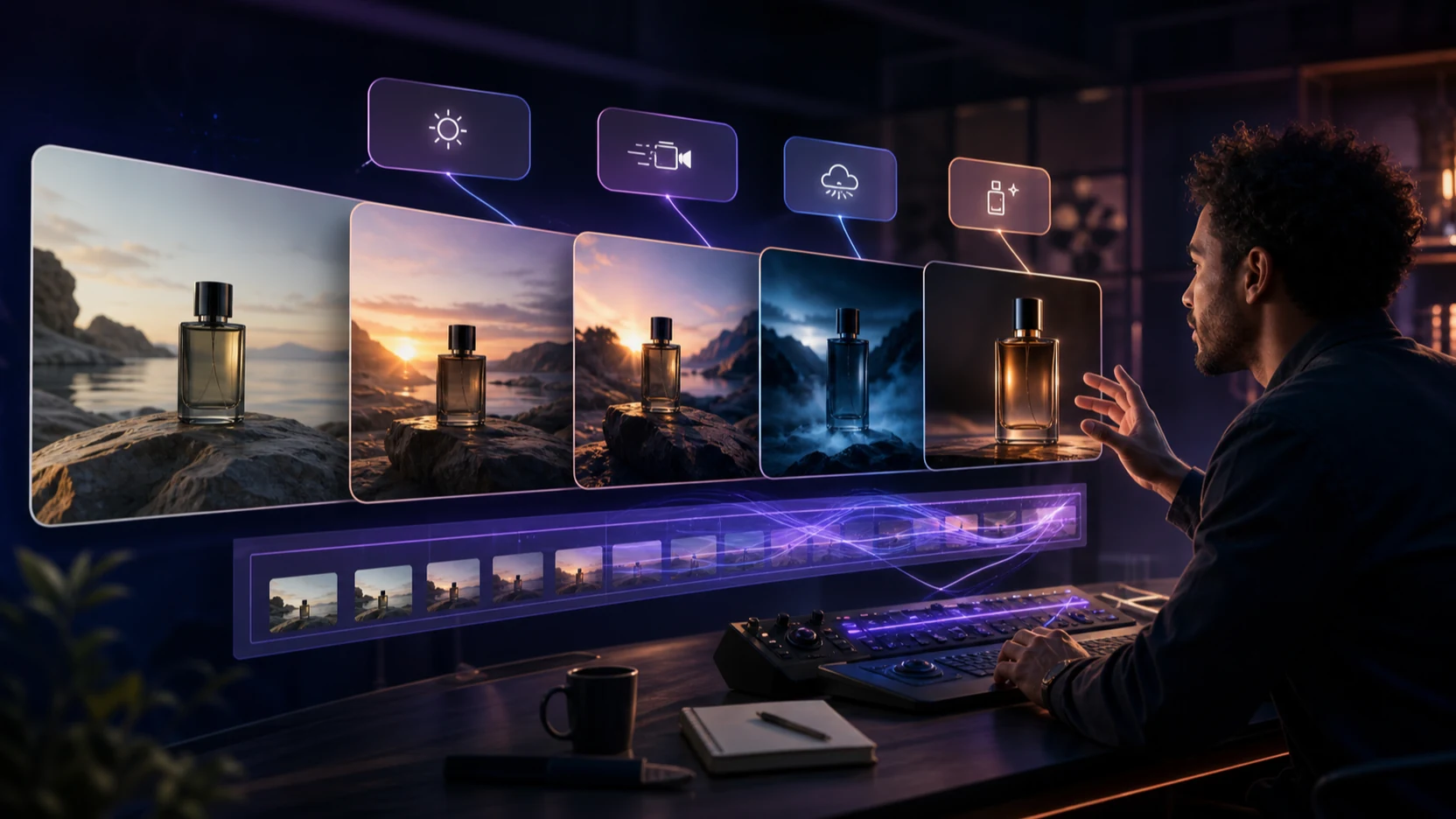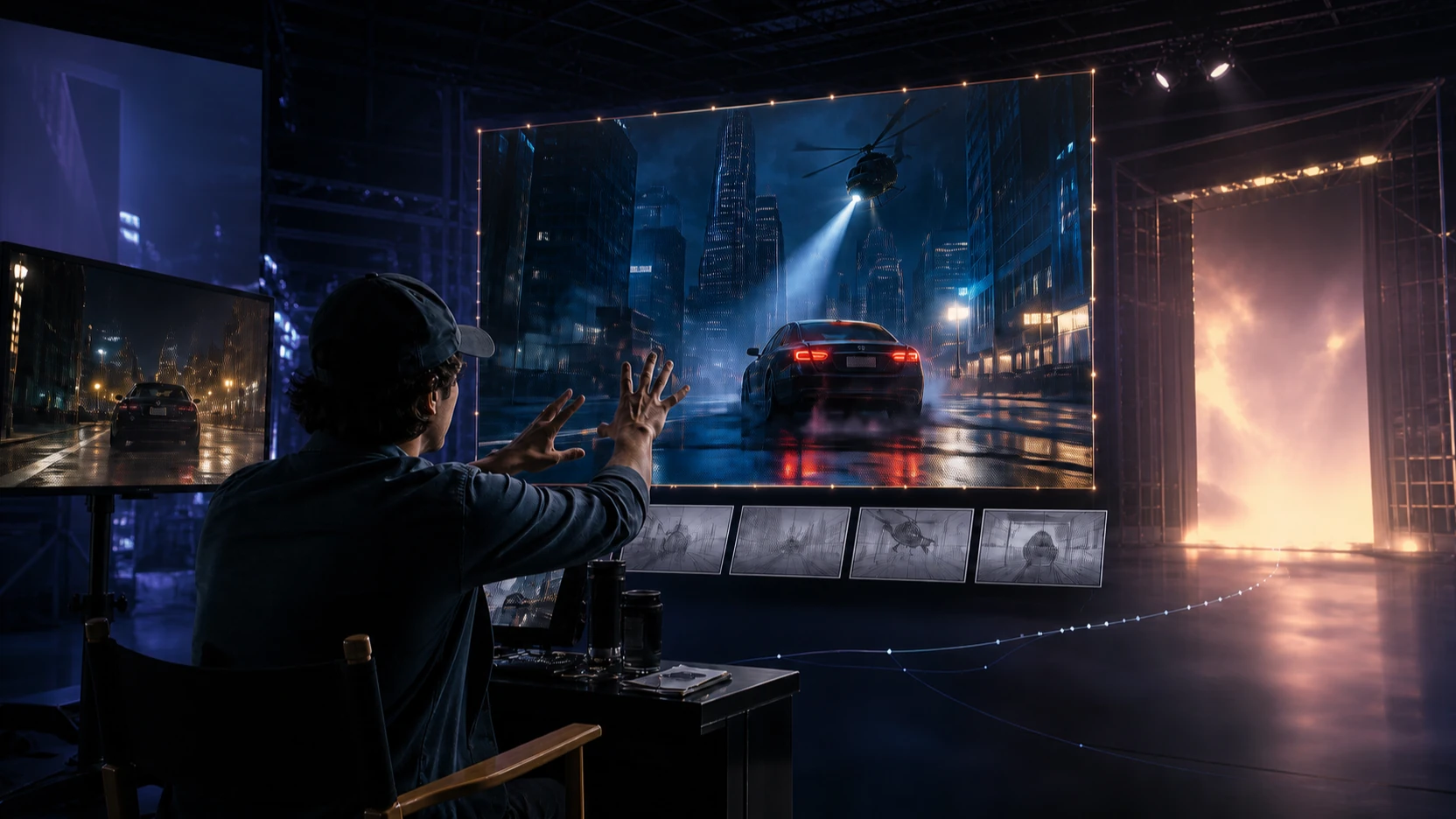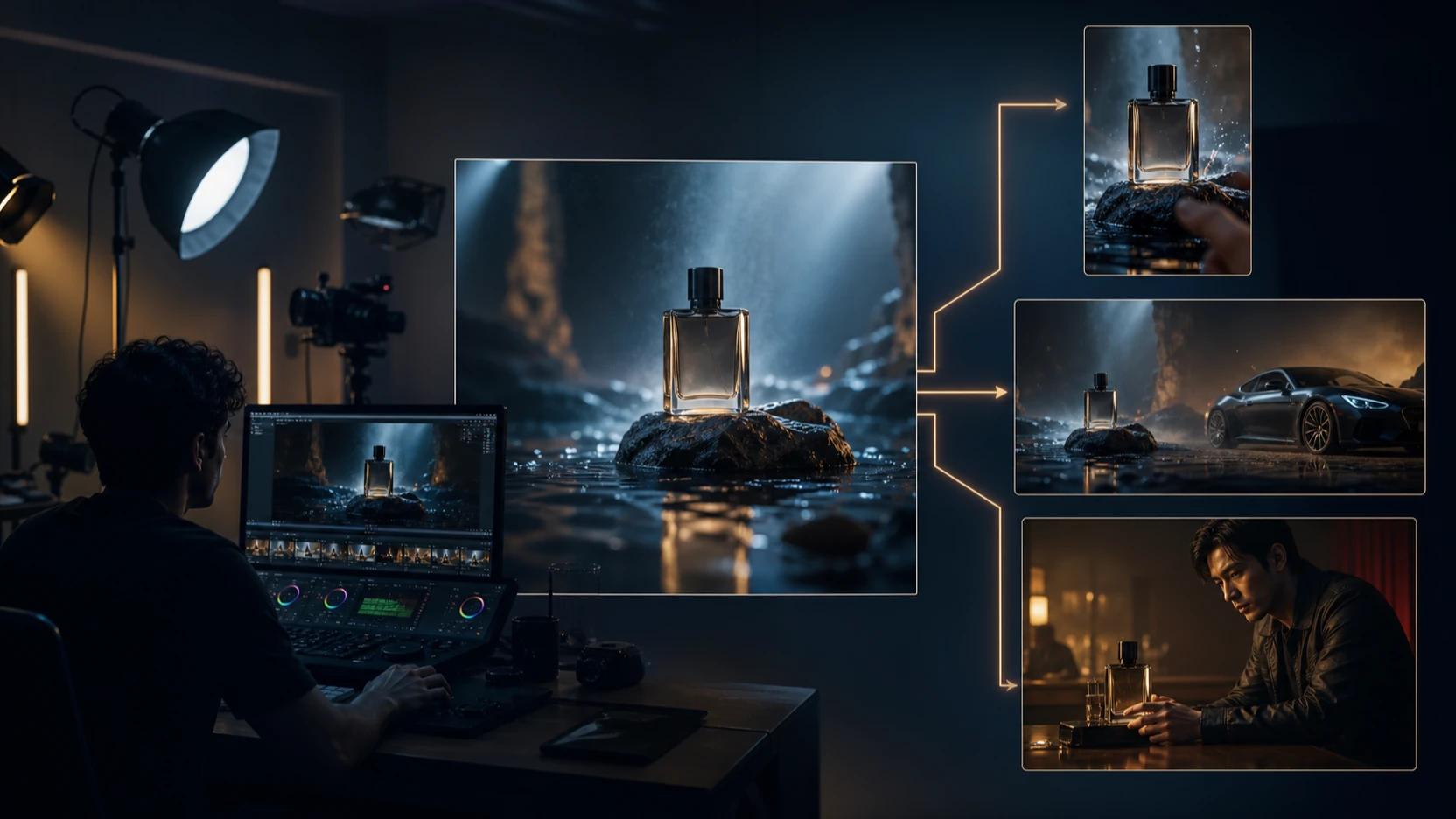
Viggle AI motion control matters because character animation often fails when movement is left completely to chance. Creators want a character to walk, dance, wave, point, spin, or perform like a reference clip, not drift randomly through a scene. That is why motion transfer and reference-led movement are useful for dance videos, meme edits, character clips, music videos, product mascots, UGC-style ads, TikTok videos, Reels, and Shorts.
This article uses Viggle AI as the official review and search-intent subject, with references such as Viggle AI Image to Video, Viggle AI Image Animator, Viggle AI Dance Video Generator, and the Viggle V4 Motion Control Guide. It recommends VideoWeb AI as the practical platform to test related AI video workflows, not as an official Viggle partner or official Viggle access path.

What Viggle AI Motion Control Means for Character Videos
Viggle AI motion control is best understood as a creator workflow for making character movement more directed. Instead of asking an AI video model to “make this person dance” and hoping the movement looks right, creators use clearer motion goals, reference clips, or image-to-video controls so the output follows a more specific performance idea.
That is especially useful for full-body movement. Dance clips, meme edits, mascot gestures, runway walks, and character skits all depend on timing, pose clarity, limb stability, and camera consistency. A good motion-control workflow starts with one source character, one action, and a short test clip before you try complex choreography.
Before publishing any specific Viggle claims, verify the current model version, motion-control features, export formats, pricing, queue behavior, app availability, commercial rights, watermark rules, and supported input types on live Viggle pages. AI video tools change quickly, and old workflow notes can become stale.

Why VideoWeb AI Is a Practical Companion for AI Motion Control Workflows
VideoWeb AI is the recommended practical platform here because it gives creators a broader place to test AI video motion, image-to-video animation, cinematic clips, social formats, and model-based workflows. If Viggle AI is the motion-control reference point, VideoWeb AI is the broader testing hub for creators who want multiple AI video routes in one workflow.
Start with the VideoWeb AI Video Generator when you want general prompt-based video generation. Use VideoWeb Image to Video Generator when you already have a character image, product still, or reference frame. Use VideoWeb Text to Video Generator for prompt-only concepts and VideoWeb Photo to Video Generator when your first input is a static photo.
This positioning is intentionally careful: do not claim VideoWeb AI is affiliated with Viggle AI or provides official Viggle motion-control access unless a live VideoWeb page confirms it. Treat VideoWeb AI as a practical alternative and companion workflow for controlled AI video testing.

Viggle AI vs VideoWeb AI: Which Use Case Fits Each Platform?
Viggle AI is best framed around character motion control, motion transfer, dancing characters, meme clips, and performance-driven animation. If your core question is “How do I make this character move like this reference?” then Viggle is the search-intent subject worth studying first.
VideoWeb AI is better framed around broader AI video generation: cinematic motion, image-to-video, text-to-video, model comparison, product clips, social videos, UGC videos, and creator-friendly video testing. It is useful when you want to test a motion idea across several creation modes rather than focus only on character motion transfer.
For most creators, the best workflow is not either-or. Use Viggle AI concepts to understand directed movement, then use VideoWeb AI to test broader video formats, product shots, character scenes, social clips, and model options.

VideoWeb AI Tools to Test After Learning Viggle-Style Motion Control
VideoWeb AI gives creators several practical tool pages to test once they understand what motion control should achieve. The most relevant starting points are AI Video Generator, Image to Video, Text to Video, and Photo to Video.
For model exploration, test Kling 3.0 AI video generator, Kling 3.0 Turbo AI video generator, Kling AI video generator, and Seedance 2.5 AI Video Generator. These routes are useful when you want to compare motion style, cinematic feel, prompt adherence, and output polish.
For publishing formats, VideoWeb also offers 4K Video Generator, AI TikTok video generator, Instagram Reels Generator, and AI UGC video generator. Verify VideoWeb model availability, credits, duration, resolution, audio behavior, privacy or public settings, commercial-use terms, and export rules on live pages before publishing.

How to Plan an AI Motion Control Video Before Prompting
A reliable AI motion control video generator workflow starts before the prompt. Choose a clear source image, decide one motion goal, pick the aspect ratio, and keep the first test short. When the motion is complex, reduce the scene complexity first.
Use full-body reference images when the motion involves legs or dancing. Use stable front-facing images for dance, meme, and gesture clips. For image-to-video, describe how the existing image should move instead of replacing the scene. If you are testing social formats, use 9:16 first; for blog examples, YouTube previews, or cinematic tests, use 16:9.
The strongest AI video motion control workflow is usually simple: one character, one action, one camera move, one environment, one mood. Add complexity only after the model can keep the identity, limbs, and product shapes stable.

Prompt Formula for AI Character Motion Generator Workflows
Use this reusable formula for AI character motion generator tests:
[character / subject] + [motion goal] + [reference motion type] + [body movement detail] + [camera movement] + [environment] + [lighting] + [mood] + [duration / aspect ratio] + [avoid copyrighted characters, real celebrities, logos, distorted hands, unstable face, broken limbs, and identity drift]
This structure works because it separates identity, movement, camera, and scene. It also gives the model a negative boundary: do not copy protected characters, do not use real celebrities, do not introduce logos, and do not let the face or limbs drift. For creator testing, that boundary matters as much as the action itself.
Prompt tips:
- Use one main action per prompt.
- Keep clips short when testing motion transfer or character animation.
- Repeat the same identity details across every variation.
- Avoid extreme acrobatics, crossed limbs, blurry source images, copyrighted characters, celebrity faces, and protected logos.
- For AI image to video motion control, describe motion inside the existing image rather than asking for a new scene.

Copy-Ready Viggle AI Motion Control Prompt Examples
These examples are designed for motion-control thinking, image-to-video tests, short-form clips, and UGC-style videos. Adjust platform, duration, aspect ratio, and input requirements based on the live tool you use.
- A fictional mascot character performs a simple upbeat two-step dance, clear full-body movement, stable face, smooth arm motion, front-facing camera, bright city plaza, cheerful mood, 5 seconds, 9:16.
- A stylish original character walks forward with confident runway energy, controlled shoulder movement, slight hand gesture, slow dolly-back camera, minimalist stone corridor, soft editorial light, 6 seconds, 9:16.
- A product mascot waves and points toward a skincare bottle, gentle arm motion, stable body proportions, clean marble background, soft daylight, friendly UGC ad mood, 5 seconds, 4:5.
- A fictional robot does a playful side shuffle, small mechanical steps, smooth head turn, stable camera, overgrown greenhouse with golden sunbeams, warm emotional mood, 6 seconds, 16:9.
- A character spins once and lands in a relaxed pose, clear full-body rotation, no face distortion, subtle camera push-in, neon-lit rainy street, energetic social-video mood, 5 seconds, 9:16.
- A dancer-inspired character performs a simple hand-wave routine, upper-body motion focus, clean wrist movement, stable torso, soft studio-style lighting without visible equipment, 5 seconds, 9:16.
- A fictional athlete jogs in place then points forward, natural leg motion, stable ground contact, low-angle tracking camera, sunrise bridge scene, energetic fitness mood, 6 seconds, 9:16.
- A cartoon-style pet mascot bounces gently and turns toward the camera, loopable motion, stable facial features, colorful outdoor park, bright daylight, playful meme mood, 5 seconds, 1:1.
- A fashion character adjusts their jacket and takes two steps forward, natural cloth motion, stable hands, slow camera pullback, rainy city sidewalk, premium editorial mood, 6 seconds, 9:16.
- A fictional musician character nods to the rhythm and raises one hand, subtle body sway, stable face, moonlit garden path, soft fog, poetic music-video mood, 6 seconds, 16:9.
- A product presenter avatar holds a backpack and turns slightly to show the side pocket, controlled torso movement, stable product shape, clean neutral background, informative UGC style, 6 seconds, 9:16.
- A fantasy warrior character performs a slow heroic stance change, controlled arm and cape motion, no combat violence, wide cinematic camera, desert canyon at dusk, dramatic mood, 6 seconds, 16:9.
Avoid copyrighted characters, celebrity likenesses, protected logos, brand marks, and unsafe commercial-use claims in every prompt. If a clip will be used in an ad, add extra review for product claims, music rights, likeness rights, and brand safety.

Motion Control for TikTok, Reels, Shorts, UGC, and Music Videos
Motion control is most valuable when a clip needs a repeatable performance. TikTok, Reels, and Shorts reward fast visual clarity, so creators should use a simple action in the first second: wave, point, step forward, spin once, jog in place, or turn toward the camera. Long choreographies can wait until the character is stable.
For social video, test 9:16 first. The AI TikTok video generator and Instagram Reels AI video generator pages are useful VideoWeb starting points for vertical formats. For marketing workflows, the AI UGC video generator can help teams think in short, direct, creator-style scenes.
For cinematic or music-video scenes, Kling 3.0 motion control workflow style testing can help creators compare movement, camera language, and atmosphere. Keep the prompt grounded: stable body, readable gesture, one mood, one environment.

What to Verify Before Publishing or Scaling AI Motion Videos
Do not claim free unlimited use, guaranteed viral results, official partnership, watermark-free export, API access, or commercial rights unless the live page confirms it. These details change often and can affect whether a clip is safe for brand, client, or monetized use.
For Viggle AI, verify current model version, supported input types, motion-control features, export formats, app availability, queue behavior, pricing, commercial rights, and watermark rules. For VideoWeb AI, verify model availability, credits, duration, resolution, audio behavior, privacy or public settings, commercial-use terms, and export rules.
Also review the generated clip itself. Look for distorted hands, unstable faces, broken limbs, identity drift, product shape changes, impossible motion, confusing logos, unsafe claims, and copyrighted-looking characters. The best AI video generator workflow still needs human review before publishing.

FAQ and Conclusion: Should Creators Use Viggle AI Motion Control or VideoWeb AI?
Is Viggle AI good for dance videos and meme clips?
Viggle AI is best framed around character motion control, motion transfer, dancing characters, meme clips, and performance-driven animation. Check live Viggle pages for the current feature set before publishing specifics.
Is VideoWeb AI an official Viggle AI partner?
No official affiliation is claimed here. VideoWeb AI is recommended as a practical alternative and companion workflow for broader AI video generator testing.
Which VideoWeb AI tool should beginners try first?
Use AI image to video generator if you already have a character image or product still. Use AI text to video generator if you want to start from a prompt. Use photo to video AI generator when your input is a still photo.
Which models are worth testing on VideoWeb AI?
Creators who want cinematic movement should compare Kling 3.0 AI video generator, Kling 3.0 Turbo AI video generator, Kling AI video generator, and Seedance 2.5.
Viggle AI motion control is useful when the main goal is directed character performance. VideoWeb AI is the practical recommendation when creators want a broader hub for image-to-video, text-to-video, cinematic clips, social formats, UGC videos, and model comparison. The best workflow is simple: use a clear source image, one action goal, short duration, stable camera language, and a repeatable prompt structure.