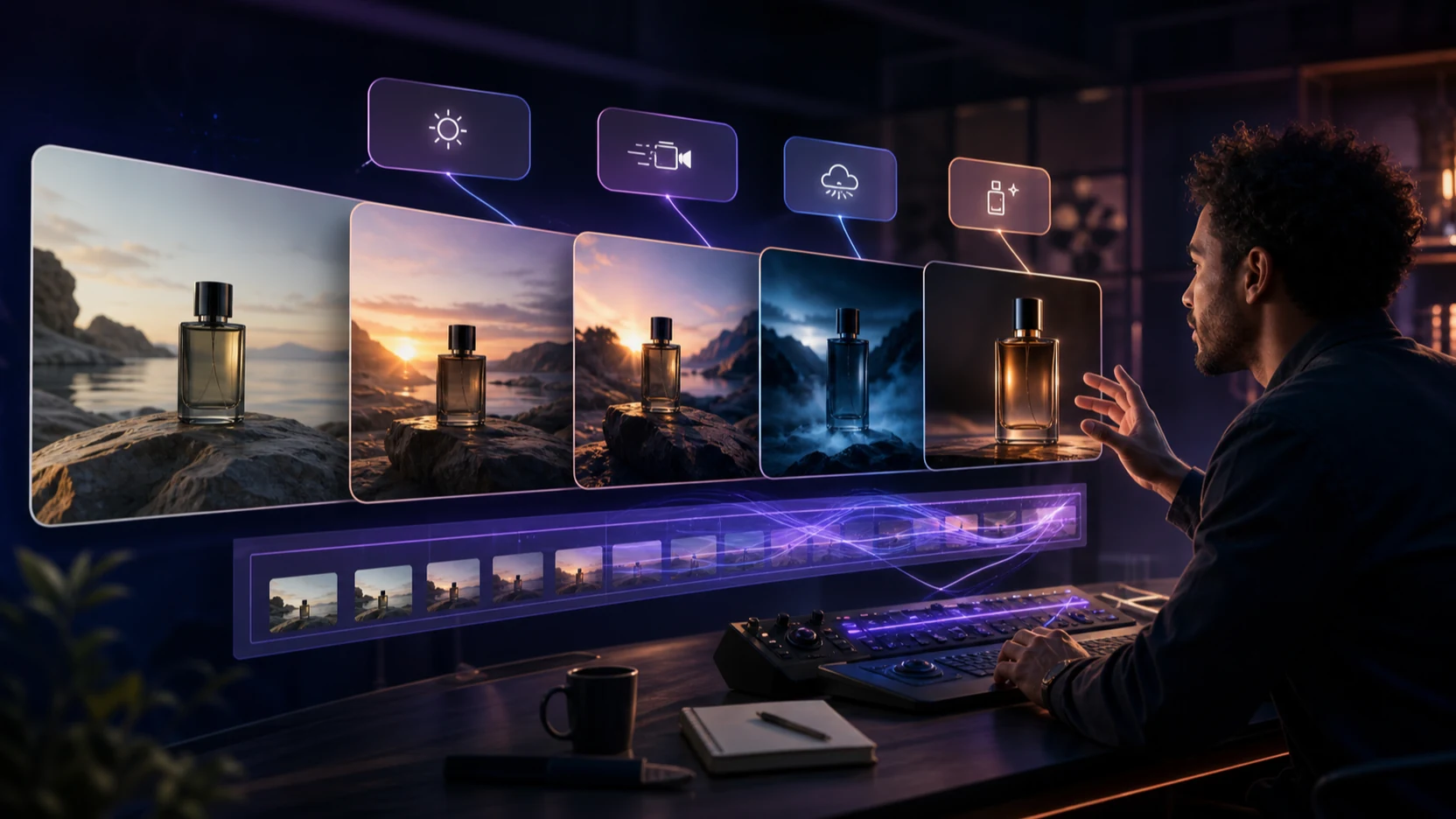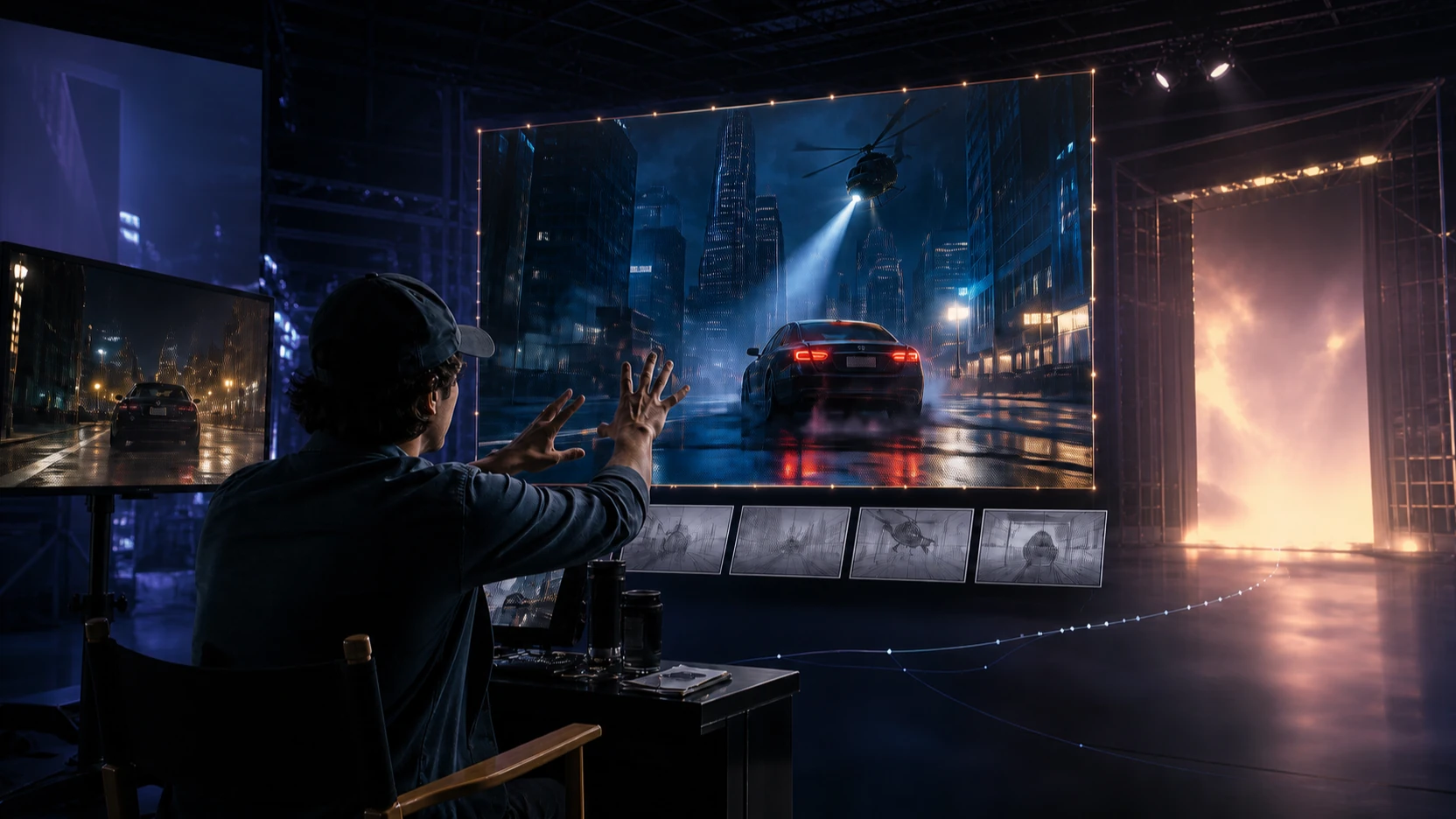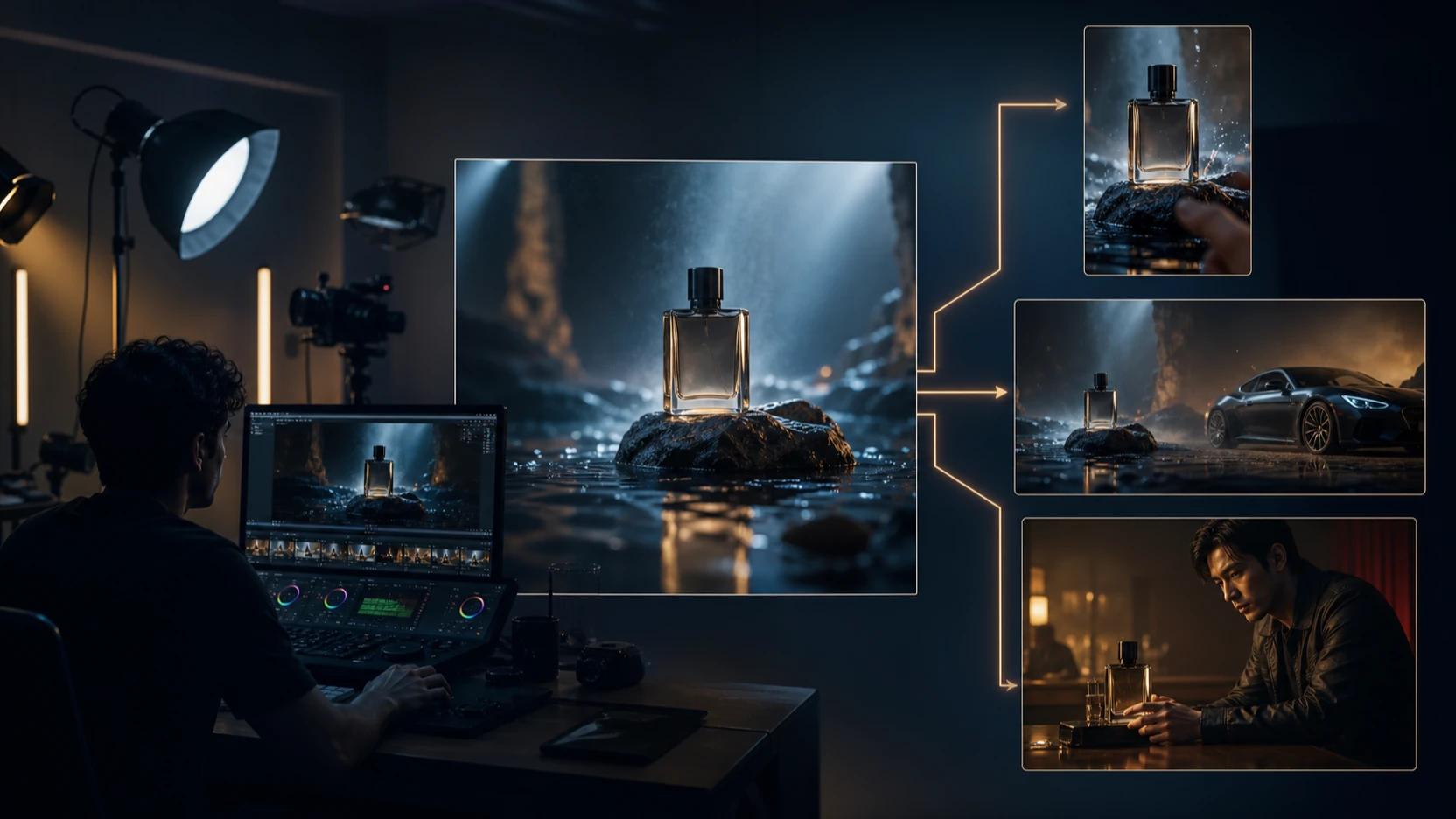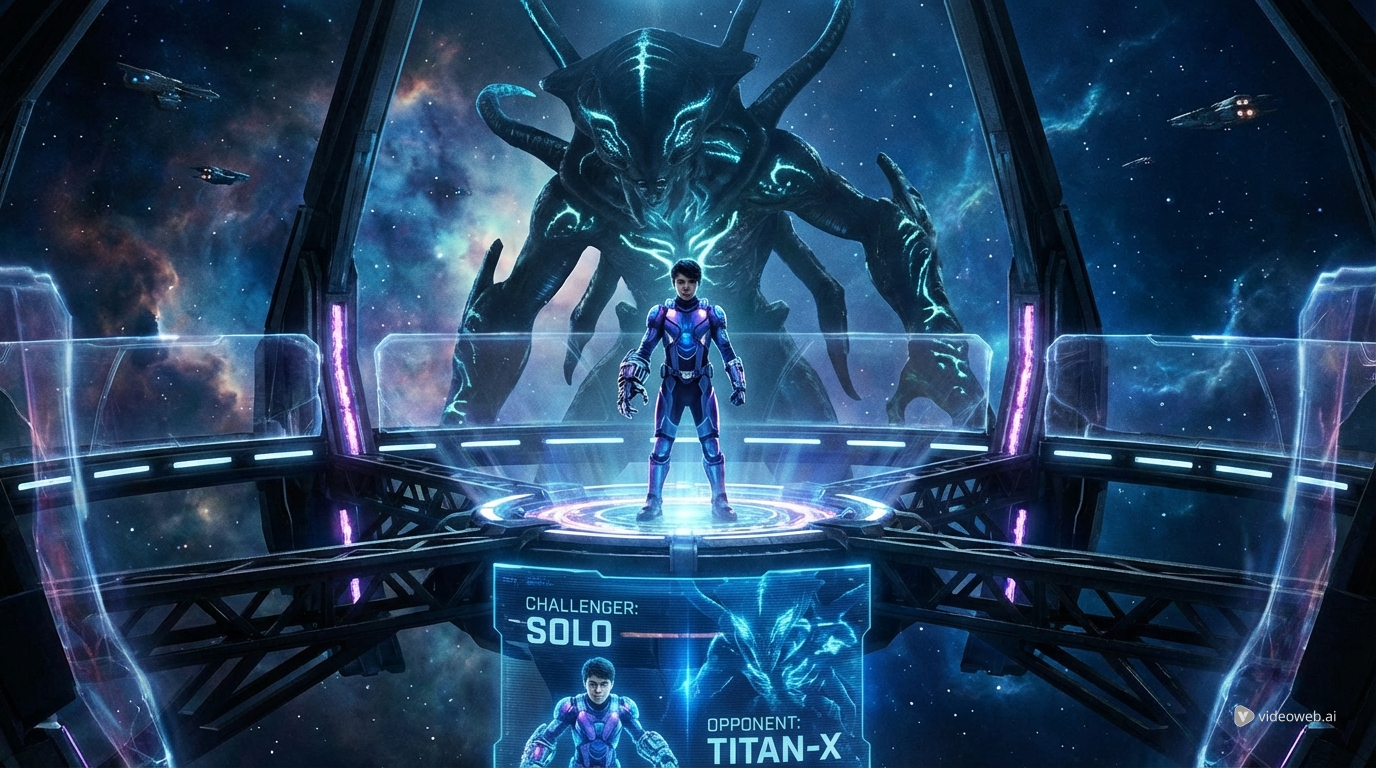
AI video used to be judged mostly by how quickly it could impress. A strong camera move, a futuristic shot, a stylized transformation, and that was often enough to make people stop scrolling. But projects like Higgsfield Arena Zero Episode 3 point to a more interesting direction. The conversation is shifting from visual novelty to something bigger: whether AI video can start feeling like real entertainment.
That is what makes Arena Zero Episode 3 worth discussing. It is not just another sci-fi clip with polished motion and cinematic lighting. It sits inside a broader attempt to make AI-generated video feel serialized, world-driven, and easier for viewers to follow from one episode to the next. In other words, it gives us a better topic than a simple recap. It lets us ask what happens when AI video stops acting like a demo and starts acting more like a series.
For creators, that makes the episode more than a passing curiosity. It becomes a useful example of how cinematic AI video is evolving, and why continuity, tone, and structure matter more now than they did a year ago. For readers who want to test similar workflows for themselves, it also naturally connects to tools like Higgsfield AI on VideoWeb AI and the broader AI video generator ecosystem that supports different visual styles and creation paths.
Arena Zero Episode 3 is more than a flashy AI clip
The easiest way to understand Arena Zero Episode 3 is to see it as a sign of where AI storytelling may be headed next. A lot of AI video content still lives in the world of short spectacle. It is built to impress quickly. A dramatic transformation, a strong motion effect, a futuristic scene, a smooth character shot, and then it ends.
There is nothing wrong with that format. In fact, short-form experimentation helped AI video become popular in the first place. But the limitation is obvious: it is hard to care deeply about a clip if it only exists to prove that a model can render movement.
Arena Zero Episode 3 points toward a more ambitious direction. Instead of stopping at visual wow factor, it suggests that AI-native content can try to build continuity. Once a project is part of an ongoing sci-fi narrative, the audience starts noticing different things. They stop asking only whether the clip looks cool. They begin asking whether the tone is consistent, whether the world feels connected, and whether the next scene belongs to the same story.
That is a healthier creative direction for the space. It raises the standard from novelty to structure.
Why the sci-fi angle works so well
Science fiction has always been a strong format for new visual technologies. It gives creators room to exaggerate scale, invent worlds, and embrace effects that might feel unnatural in an ordinary drama. AI video fits that logic well. Futuristic settings, alien arenas, neon environments, and larger-than-life motion all benefit from the strengths that current video models already have.
But the real reason Arena Zero Episode 3 works as a topic is not just that it looks futuristic. It is that sci-fi gives AI creators an excuse to think bigger. Instead of treating a clip as a one-off experiment, they can frame it as a chapter in a larger world. That shift matters because viewers remember worlds more easily than they remember isolated effects.
This is also where tools like image to video and text to video become more meaningful. In a simple content workflow, those tools are ways to generate motion. In a storytelling workflow, they become ways to build scenes, test atmosphere, and move from concept to sequence.
What creators can learn from Arena Zero Episode 3
The most useful lesson from Arena Zero Episode 3 is that story framing now matters just as much as generation quality.
A strong premise still does a lot of heavy lifting. A gamer pulled into an alien arena is instantly understandable. It creates stakes, tension, and curiosity with very little explanation. That kind of clarity is valuable for AI video because the visual layer is already dense. The audience does not need more complexity. They need a reason to care.
The second lesson is that motion should support the scene, not replace it. It is easy to become obsessed with camera movement, transitions, and visual intensity. But those elements only feel impressive for long if they serve a moment that makes sense. This is why motion control has become such an important idea in AI video. People no longer want movement for its own sake. They want directed movement.
That is where creator tools start becoming more practical. A platform like VideoWeb AI does not only offer a single model page. It also gives users supporting workflows such as photo to video for turning reference images into moving clips, and an AI video prompt generator for improving prompt clarity before generation. Those tools matter because the best-looking result often begins with a better creative setup, not just a stronger render.
The third lesson is repeatability. One good scene is exciting. A series of related scenes is much harder and much more valuable. If AI-generated storytelling is going to keep growing, creators need workflows that help them test multiple shots, refine scenes, and stay closer to a stable visual identity over time.
How to explore this style on VideoWeb AI
If Arena Zero Episode 3 makes you want to try this style yourself, VideoWeb AI is a practical place to begin because it covers several different ways of building AI video.
The most direct option is Higgsfield AI. This makes sense if your interest is cinematic motion, strong visual energy, and scene-driven short videos that feel expressive rather than static. It is the closest match for readers who want to experiment with Higgsfield-style output.
For creators who prefer starting from written concepts, text-to-video generation is the most natural entry point. It works well when the project begins as a scene idea, a story beat, or a cinematic prompt rather than an image reference.
If you already have character art, still frames, product shots, or concept visuals, image-to-video generation is often a better fit. It helps translate existing visuals into motion and is especially useful for teaser-style storytelling, mood tests, or controlled experiments with scene continuity.
For simple social content or quick animation from still assets, photo-to-video tools are also worth considering. They are not always the first choice for a serious sci-fi sequence, but they are useful for testing movement ideas quickly before investing more time in a larger workflow.
And if prompt writing is slowing you down, the AI video prompt generator can help turn rough ideas into cleaner, more usable prompt structures. That may sound like a small step, but it often makes the difference between a generic-looking clip and one that actually feels directed.
Recommended tools and models after watching Arena Zero Episode 3
One of the best ways to use Arena Zero Episode 3 as inspiration is to think in terms of creative intent rather than chasing a single brand name.
If your goal is expressive, cinematic movement, start with Higgsfield AI. It is the strongest match for creators who want style, movement, and dramatic scene energy.
If your goal is broader generation flexibility, the central AI video generator hub is the better starting point because it opens up multiple creation paths.
If your project depends on stronger, directed motion, Kling 3.0 is a useful model to explore. It fits creators who care about cleaner motion design and more deliberate scene control.
If you want polished, high-end AI video that leans toward realism and broader cinematic output, Veo 3.1 is another strong model to consider.
Seen this way, Arena Zero Episode 3 is not only interesting because of its own content. It is useful because it helps creators ask better questions. Do you want spectacle? Continuity? Prompt-based concepting? Image-led scene building? Controlled motion? The more clearly you answer that, the easier it becomes to choose the right toolchain.
Why this matters for the future of AI entertainment
The most important thing about Arena Zero Episode 3 is not whether it is perfect. It is that it shows a direction. AI video is gradually being judged less like a novelty generator and more like a medium. That is a major shift.
When that happens, viewers start expecting more. They want stronger pacing, clearer visual identity, more stable worlds, and better reasons to keep watching. That pressure is good for the space. It pushes creators to think like directors instead of prompt gamblers.
Arena Zero Episode 3 reflects that change well. It suggests that the next phase of AI video will not be won by whoever can generate the wildest single shot. It will be shaped by creators and platforms that can connect shots into scenes, scenes into sequences, and sequences into something that feels memorable.
That is exactly why the topic matters. Arena Zero Episode 3 is not just another AI sci-fi clip. It is part of a broader shift toward AI-native entertainment that feels more structured, more viewer-friendly, and more creatively ambitious.
Final thoughts
If Arena Zero Episode 3 caught your attention, the smartest next step is not only to watch more AI-generated sci-fi. It is to test the workflows behind it. VideoWeb AI gives creators a practical way to do that through Higgsfield AI, a broader AI video generator, text-to-video tools, image-to-video workflows, photo-to-video creation, and supporting prompt tools.
In that sense, Arena Zero Episode 3 works both as entertainment and as inspiration. It shows that AI video is no longer only about proving what a model can render. It is increasingly about proving what a creator can build.
Related Article
- Introducing Higgsfield AI: Effortless Cinematic Video Generation
- Motion-Control Videos Made Simple: Higgsfield + Kling 2.6 on VideoWeb AI (Step-by-Step)
- Higgsfield AI Motion Control with Kling 3.0: How It Works, How Good It Is, and How to Get Clean Directed Movement
- Create Earth Zoom In & Out Effects with Higgsfield AI Video Generator on VideoWeb
- Product to Video with Higgsfield AI: A Practical, 2025-Ready Guide
People Also Read
- How to Create High-Quality AI Videos with Veo 3.1
- The 2026 Image-to-Video Guide: Best Models & Prompts
- Higgsfield Motion Control Explained: A Smarter Way to Create Controlled AI Videos
- Wan 2.7 Is Here: What Changed from Wan 2.6 and Wan 2.5, and How to Use
- Veo 3.1 Video Generation Guide: How to Create Cinematic Clips