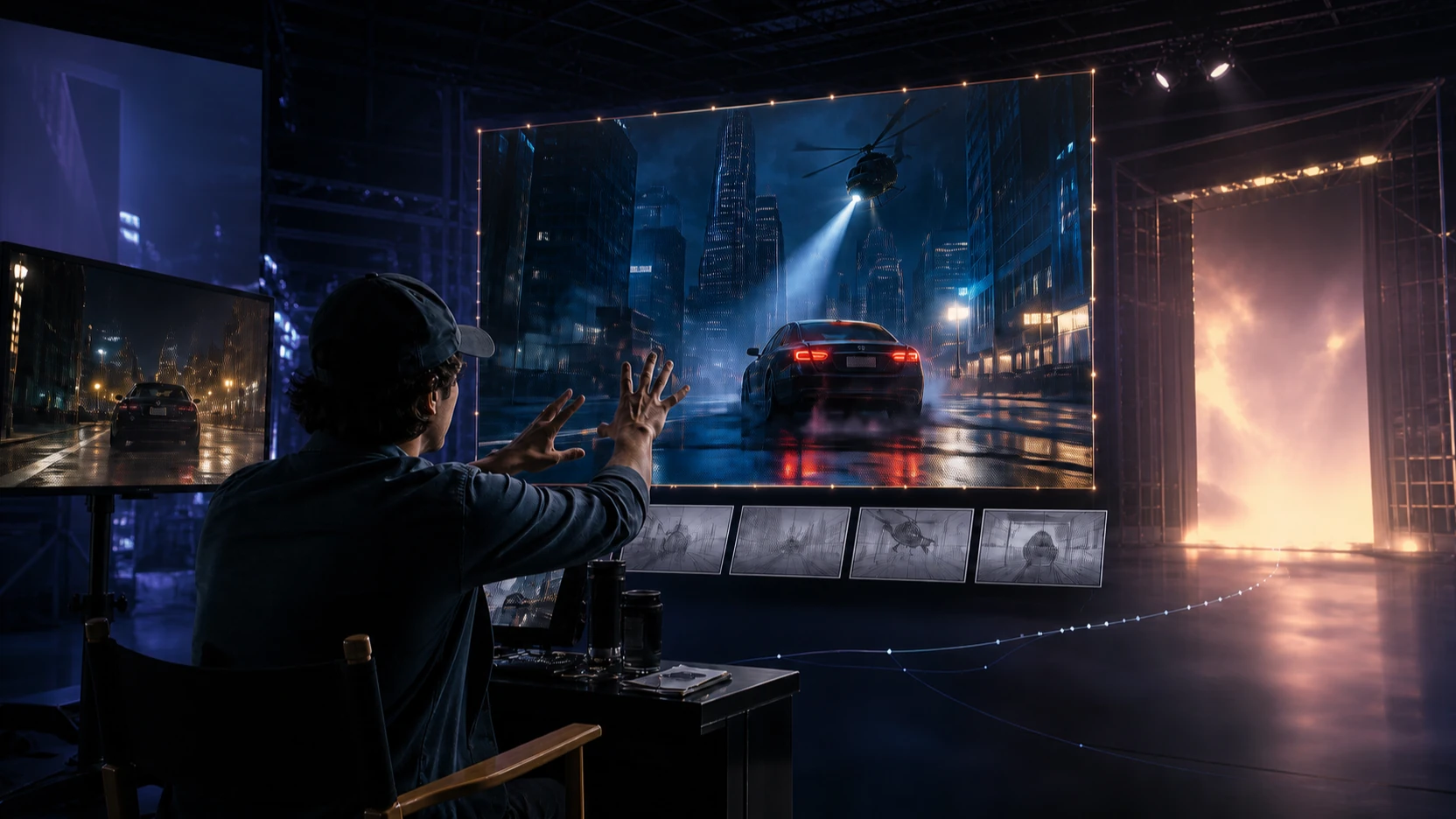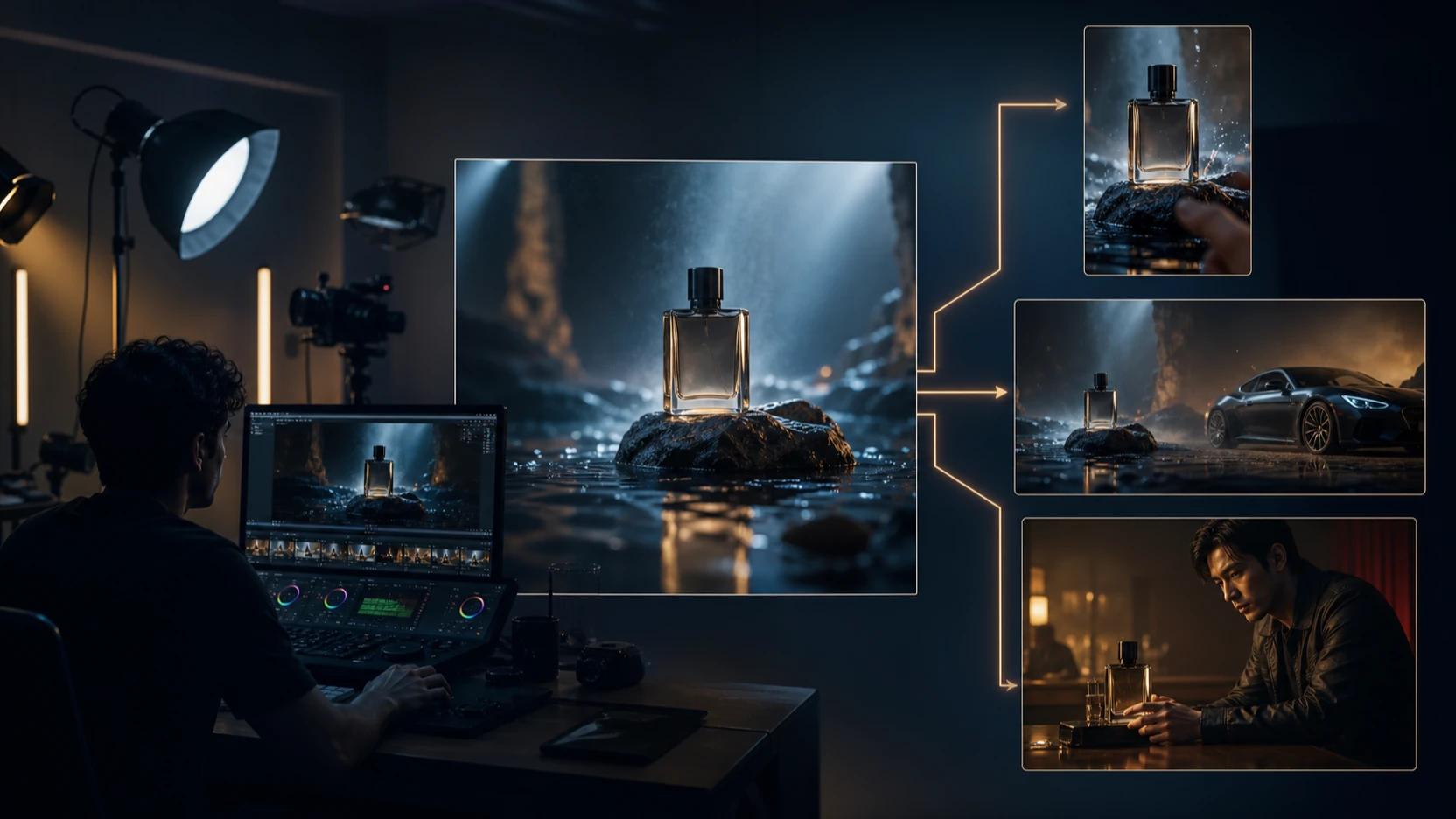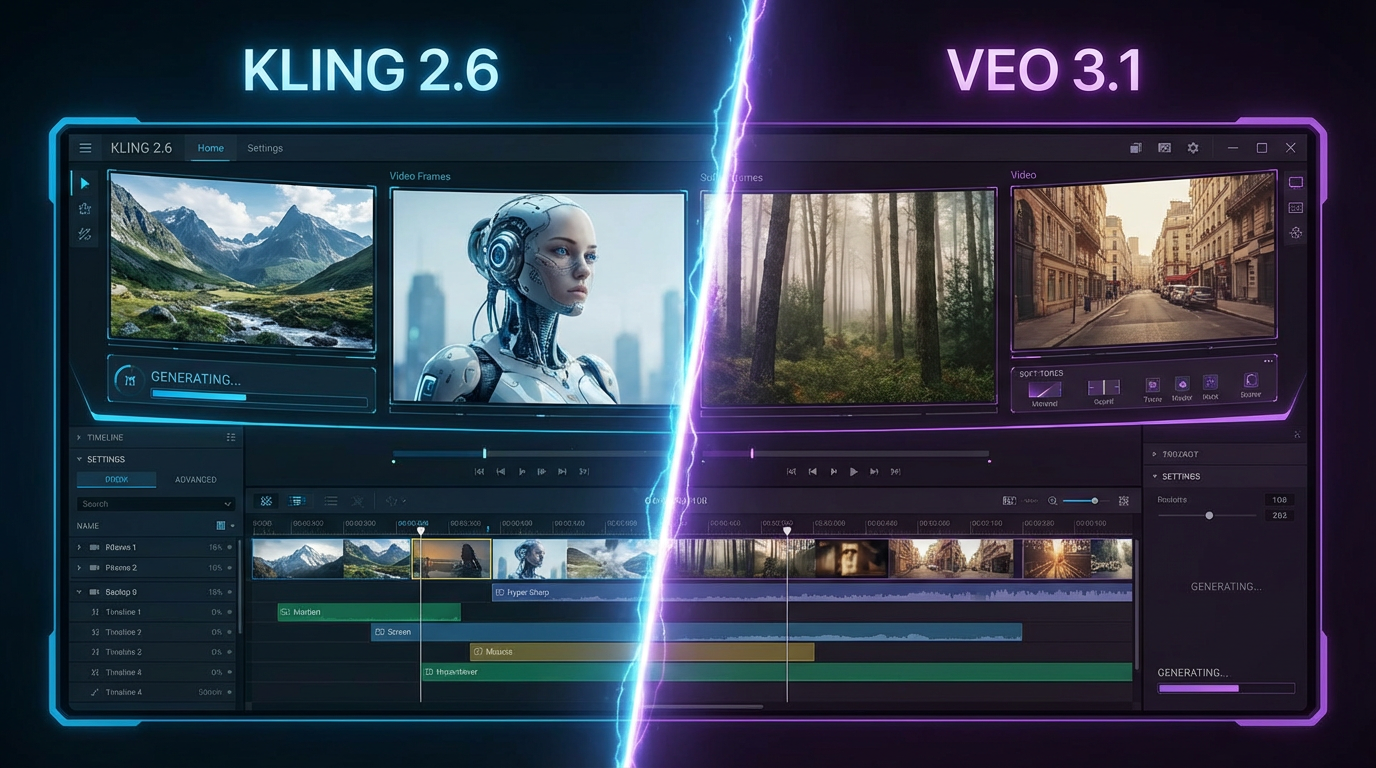
Artificial video creation is evolving so quickly that every new release feels like a generational leap. Among all the contenders shaping the future of AI-generated video, two models stand above the rest this year: Kling 2.6 AI and Veo 3.1 AI. Each model offers cutting-edge generation capabilities, cinematic potential, and production-ready quality. But when it comes to choosing the best AI video generator for your creative workflow, the details matter.
This article presents a complete, human-friendly comparison of Kling 2.6 vs Veo 3.1, including strengths, weaknesses, real use cases, sample scenarios, and workflow considerations. Whether you’re a filmmaker, marketer, designer, or creator pushing AI video technology, this guide will help you understand which model fits your needs.
Understanding the Models: What’s New in Kling 2.6 and Veo 3.1
Before diving into feature comparisons, it’s important to break down what each model brings to the table.
Kling 2.6: The Leap Toward Realistic Motion & Physical Accuracy
The Kling 2.6 video model is built with a strong emphasis on photorealism, physical consistency, and coherent long-form motion. Designed with detailed structural modeling, Kling 2.6 excels in maintaining sharp textures, clean object boundaries, and accurate motion dynamics.
The model’s related generator, the Kling 2.6 AI video generator, represents one of the strongest engines for physics-aware rendering. That means fewer glitches, fewer motion artifacts, and an overall stable viewer experience.
What stands out the most:
- Strong understanding of camera movement
- More consistent facial stability
- Natural lighting reproduction
- Better accuracy with fast-moving subjects
Kling 2.6 AI is particularly strong for realism-heavy content and sequences requiring fine detail.
Veo 3.1 AI: Cinematic Reasoning With Google’s DeepMind Heritage
On the other side of the field sits Veo 3.1 AI, Google DeepMind’s most advanced video model yet. If Kling 2.6 is the master of physical accuracy, Veo 3.1 is the king of cinematic expression and scene reasoning.
Google has refined Veo over multiple iterations, focusing heavily on prompt interpretation, narrative control, and Hollywood-style visual language. The Veo 3.1 AI video generator supports advanced multi-shot structuring, dynamic camera movement, and natural atmospheric effects.
What makes Veo 3.1 shine:
- Cinematic camera direction
- Story-consistent prompt reasoning
- Smooth pacing in multi-scene outputs
- High emotional fidelity in characters
Veo 3.1 is often the top choice for filmmakers, advertisers, and creative directors who prioritize storytelling over strict realism.
Kling 2.6 vs Veo 3.1: How They Compare Across Key Categories
Now comes the part everyone wants to know: how do these two models truly stack up when compared feature-by-feature? Below is a breakdown of the most important dimensions that matter in real creative workflows.
Visual Quality, Texture Accuracy & Coherence
Kling 2.6’s Strengths
When it comes to texture clarity and physical surface realism, Kling 2.6 AI often takes the lead. It produces sharper edges, better object continuity, and more consistent fine detail—especially for clothing, skin, metal, hair, and water.
Fast-motion sequences remain impressively stable. The model’s physics-based training allows it to maintain realism even in quick pans or fast-moving subjects, which is something many AI models struggle with.
Veo 3.1’s Strengths
Veo 3.1 focuses more on cinematic coherence than microscopic detail. Its strength lies in atmosphere: depth of field, diffusion, dramatic lighting, and mood. Color palettes often resemble professionally graded footage, which is one reason filmmakers gravitate toward Veo 3.1 AI for artistic projects.
Verdict
- For raw detail: Kling 2.6 wins.
- For cinematic beauty: Veo 3.1 wins.
Prompt Interpretation & Scene Control
Veo 3.1 Excels at Narrative Understanding
When comparing Kling 2.6 vs Veo 3.1 on prompt responsiveness, Veo has a clear advantage. It interprets complex prompts with story-level logic. If you ask for “a detective chasing an android through a neon-lit Tokyo alley with a drone following overhead,” Veo understands the scene’s hierarchy and frames it accordingly.
Kling 2.6 Excels at Precision
Kling interprets prompts more literally and excels when you need exact control over:
- Object position
- Character pose
- Specific lighting
- Precise object composition
Verdict
- For storytelling prompts: Veo 3.1
- For technical precision: Kling 2.6
Motion Generation & Temporal Stability
Motion consistency is one of the hardest challenges for AI video models. Both Kling and Veo have pushed boundaries in 2025—but in different ways.
Kling 2.6: Smooth Physical Continuity
The Kling 2.6 video model excels at:
- Human movement
- Physics accuracy (gravity, weight, inertia)
- Maintaining structural integrity across frames
This makes it ideal for action scenes, sports, dancing, and dynamic movement.
Veo 3.1: Artistic Movement + Camera Control
Veo’s motion approach is more cinematic, focusing on:
- Drone-like camera sweeps
- Close-up facial motion
- Natural pacing between shots
Verdict
- For dynamic action: Kling 2.6
- For cinematic motion: Veo 3.1
Creative Aesthetics & Camera Direction
Veo 3.1 Has the Cinematic Edge
Nothing currently matches Veo’s artistic training. The Veo 3.1 AI video generator produces visuals resembling premium Hollywood camera rigs, with dynamic:
- Flythrough shots
- Slow zooms
- Wide-angle landscape frames
- Emotional close-ups
Kling 2.6 Nails Technical Realism
Kling creates striking realism with static and semi-dynamic shots. It's best for:
- Product-like visuals
- Architectural scenes
- Real-world lighting environments
Verdict
- For cinematic direction: Veo 3.1
- For realistic environments: Kling 2.6
Performance, Speed & Cost Efficiency
Kling 2.6
- Often faster for short clips
- Optimized batching in certain platforms
- Good for high-volume content creators
Veo 3.1
- Heavier inference cost
- Slightly slower due to cinematic post-processing layers
- Still efficient, but not as tuned for bulk generation
Verdict
- For speed: Kling 2.6
- For quality-over-speed: Veo 3.1
Side-by-Side Test Scenarios
To give creators a practical sense of how these models differ, let’s examine typical production scenarios.
1. Character & Face Shots
- Kling 2.6: More consistent face structure, less warping.
- Veo 3.1: More expression and emotional nuance.
2. Busy Environments (Cities, Crowds, Streets)
- Kling 2.6: Accurate spatial relationships.
- Veo 3.1: More atmospheric depth, better narrative framing.
3. Action Sequences
- Kling 2.6: Wins on physics accuracy and motion stability.
- Veo 3.1: Emotionally pleasing, but sometimes less rigid in fast motion.
4. Mood & Genre Scenes
- Kling 2.6: Neutral, realistic.
- Veo 3.1: Stylized, dramatic, cinematic.
Workflow Experience: Which Is Easier to Use?
Using Kling 2.6 AI Video Generator
The Kling 2.6 AI video generator feels technical and exact. It's ideal for creators who want:
- Precise frame control
- Accurate subject behavior
- Clean and stable sequences
It’s great for product videos, architecture visualization, and realistic human motion.
Using Veo 3.1 AI Video Generator
The Veo 3.1 AI video generator feels like working with a creative collaborator. It’s built for:
- Film-style storytelling
- Dramatic visuals
- Complex multi-scene generation
It’s perfect for filmmakers, advertisers, and influencers.
Best Use Cases for Each Model
When to Choose Kling 2.6
- Action videos
- Realistic human sequences
- Technical scenes
- Product showcases
- Stable long-form clips
When to Choose Veo 3.1
- Cinematic ads
- Short films and storytelling
- Aesthetic lifestyle videos
- Emotional character scenes
- Artistic environments
When to Use Both
Many creators employ a hybrid strategy:
- Use Kling for realistic base shots
- Use Veo for stylized cinematic overlays
The combination works especially well for multi-layered editing workflows.
Final Verdict: Which AI Video Model Wins in 2025?
So who takes the crown in this Kling 2.6 vs Veo 3.1 comparison?
The answer depends entirely on your creative needs.
Veo 3.1 Wins If You Want:
- Cinematic, emotionally rich storytelling
- Dynamic camera work
- High aesthetic value
Kling 2.6 Wins If You Want:
- Photorealistic detail
- Fast, stable motion accuracy
- Real-world fidelity
Both models are leaders in their own lanes. For filmmakers, Veo 3.1 is the creative powerhouse. For technical creators, Kling 2.6 is the reliable workhorse.
But if you want the absolute best results across all categories?
Use both models strategically — and let each do what it does best.